February 26, 2026
Your roof is one of the most important components of your home. It protects your structure from the elements, enhances curb appeal, improves energy efficiency, and contributes significantly to property value. Choosing the right roofing material is a major decision that impacts both performance and aesthetics for decades. Below, our roofing contractors explore the key factors to consider and break down how each material performs in real-world conditions.
Start by Evaluating Your Climate
Climate plays a critical role in determining which roofing material will perform best. Homes in areas with heavy snowfall need materials that shed snow easily and resist ice dam formation. Regions prone to high winds or hurricanes require impact-resistant and wind-rated systems. Hot, sunny climates demand materials that reflect heat and resist UV damage. Metal roofing, for example, performs exceptionally well in snowy regions because snow slides off easily. Tile roofing often excels in hot climates due to its natural insulating properties. Asphalt shingle roofing works well in moderate climates but may require higher-grade shingles in extreme weather zones. By matching your roofing material to local environmental conditions, you improve longevity and reduce maintenance concerns.
Consider Your Budget and Long-Term Investment
Budget is often one of the biggest deciding factors when selecting a roofing material. However, it’s important to think beyond the initial installation cost. Some materials cost more upfront but last significantly longer, reducing replacement frequency and long-term expenses. Asphalt shingle roofing is typically the most affordable option and remains popular for that reason. Metal roofing generally has a higher initial cost but offers extended durability and energy efficiency benefits. Slate and tile roofing are premium materials with higher installation costs, yet they can last several decades longer than other options. Flat roofing systems from roofing contractors vary in price depending on materials used, but they are often cost-effective for certain architectural designs. Balancing upfront investment with long-term durability helps you make a financially sound decision.
Match the Roofing Material to Your Home’s Architectural Style
Your roof contributes significantly to your home’s overall appearance. Selecting a material that complements your architectural design enhances curb appeal and preserves visual harmony. Asphalt shingle roofing offers versatile color and style options, making it suitable for a wide range of home designs. Metal roofing can create a modern, sleek aesthetic or a farmhouse-inspired look depending on the panel style. Slate roofing is often associated with historic or upscale homes, offering timeless elegance. Tile roofing pairs beautifully with Mediterranean, Spanish, and Southwestern architecture. Flat roofing is commonly used in contemporary or commercial-style homes. Choosing a roofing material that aligns with your home’s character ensures the finished result looks intentional and cohesive.
Understanding Asphalt Shingle Roofing
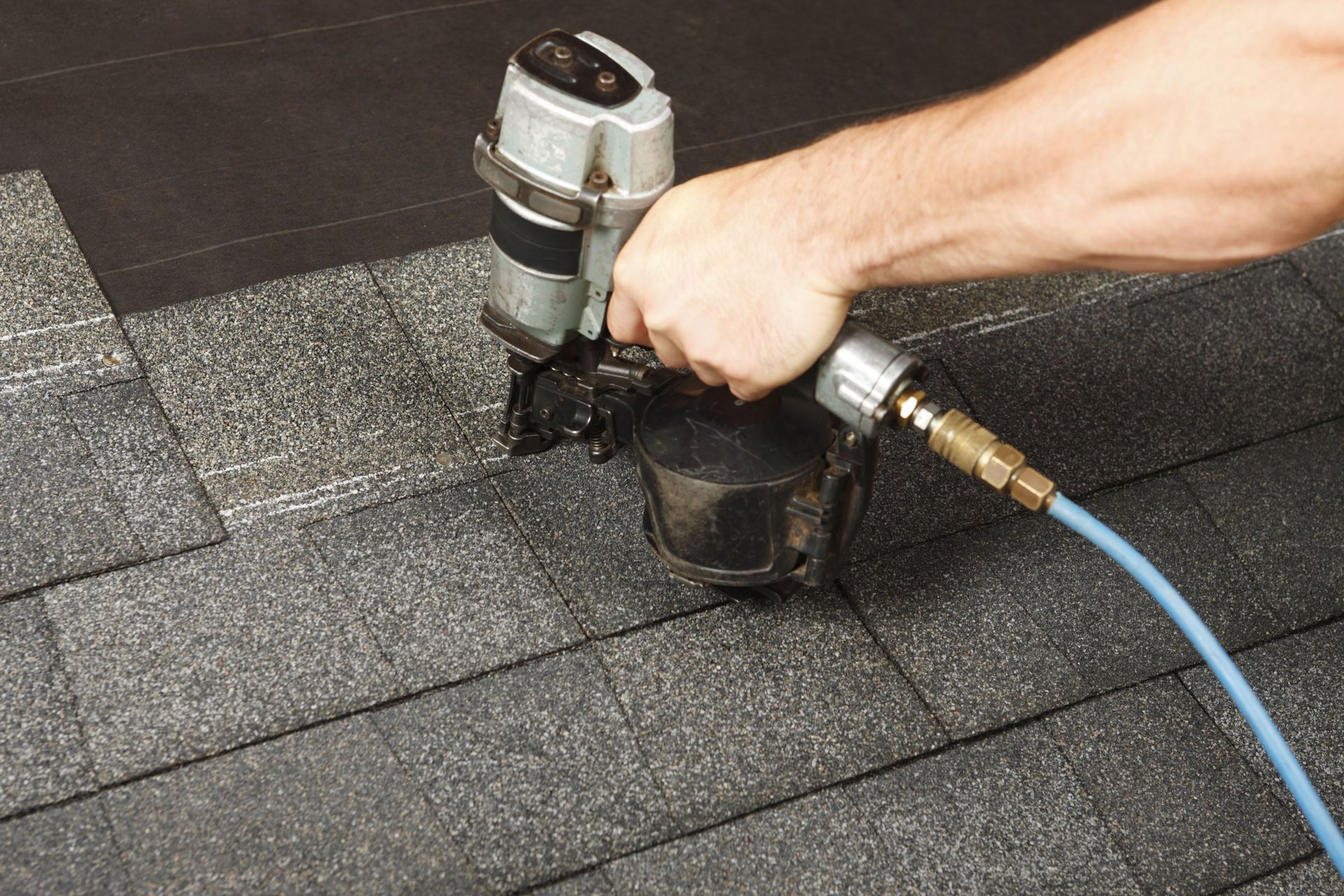
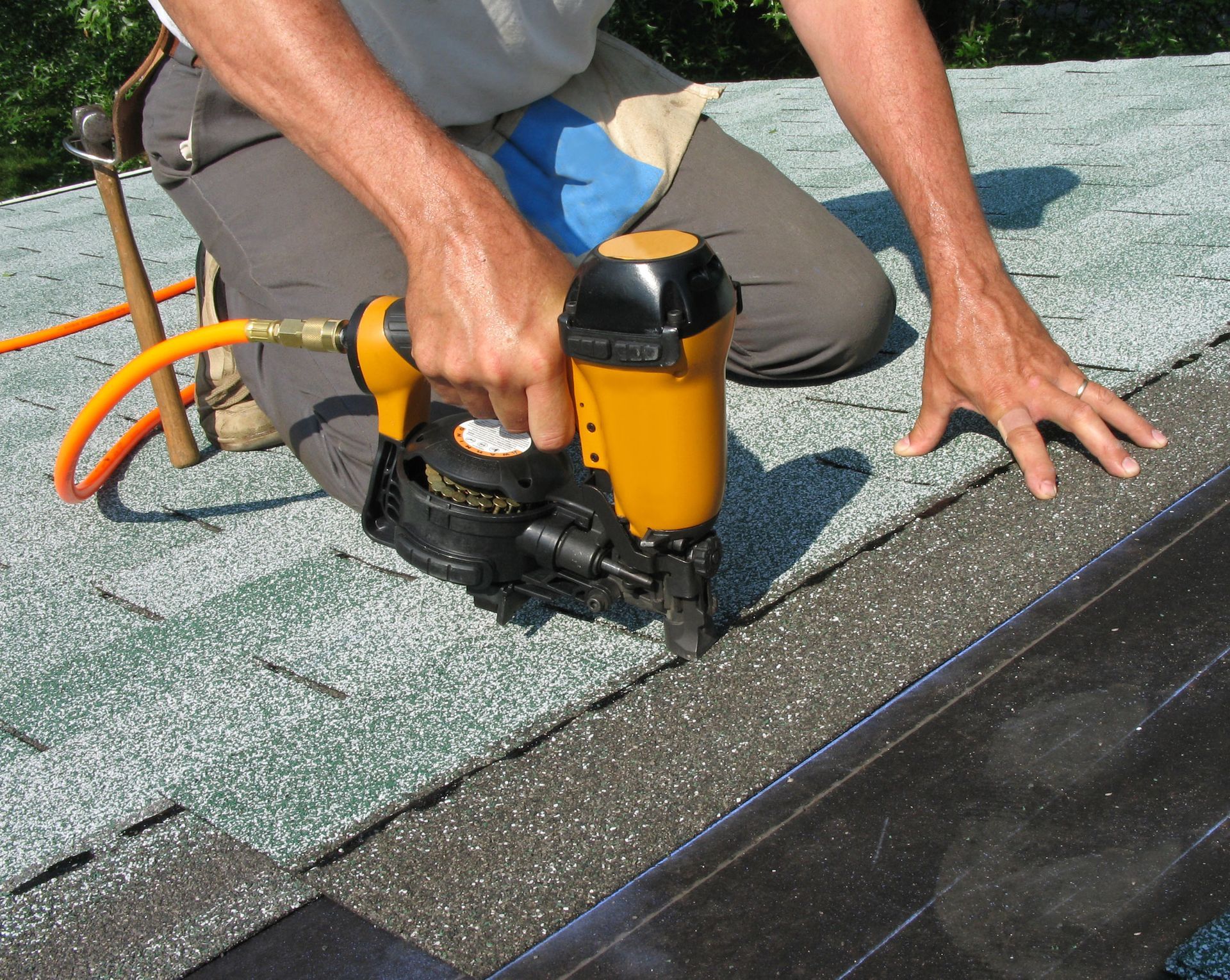
Asphalt shingle roofing remains one of the most widely used materials by residential roofing contractors. Its popularity stems from affordability, ease of installation, and variety in design options. Modern asphalt shingles are available in numerous colors and textures. This material performs well in many climates, though extreme heat or severe storms may shorten its lifespan without proper upgrades. According to Fixr, most asphalt shingle roof lifespans are between 15 and 40 years. For homeowners seeking a balance between cost-effectiveness and dependable performance, asphalt shingle roofing often serves as a practical solution.
Exploring the Benefits of Metal Roofing
Metal roofing has gained popularity due to its durability, energy efficiency, and modern appeal. It is highly resistant to fire, wind, and impact damage. Metal panels reflect solar heat, which can help reduce cooling costs in warmer climates. Another advantage of metal roofing is longevity. With proper installation and maintenance by roofing contractors, metal roofs can last 40 to 70 years, per Fixr. They're also lightweight compared to slate or tile, placing less stress on structural supports. While the initial investment may be higher than asphalt shingles, the long lifespan and minimal maintenance requirements often justify the cost.
When Is Flat Roofing the Right Choice?
Flat roofing systems are commonly used on contemporary homes, additions, garages, and commercial buildings. Their minimal slope creates a streamlined appearance and can provide usable rooftop space in some designs. Flat roofing materials are designed to create a watertight barrier and withstand pooling water, which is more common on low-slope surfaces. Proper installation and drainage are essential to ensure long-term performance. Flat roofing can be a cost-effective and practical solution for specific architectural styles, but it requires regular inspections to prevent moisture-related issues.
The Timeless Appeal of Slate Roofing
Slate roofing is known for its natural beauty and remarkable durability. Made from natural stone, slate tiles offer a distinctive, elegant appearance that enhances upscale and historic homes. One of its most impressive qualities is longevity—slate roofs can last around 100 years or more when properly maintained, states This Old House. However, slate is heavy and requires strong structural support. Installation must be performed by experienced professionals to ensure proper alignment and performance. Although it carries a higher upfront cost, slate roofing delivers exceptional longevity and classic charm that many homeowners find worthwhile.
The Durability and Style of Tile Roofing
Tile roofing is celebrated for its durability and distinctive appearance. Often made from clay or concrete, tile roofs can withstand extreme heat and resist fire damage. Their curved profiles create a visually striking roofline that complements Mediterranean and Spanish-style homes. Like slate, tile roofing is heavy and may require reinforced structural support. With proper care, per This Old House, tile roofs can last 50 years or longer when installed by qualified roofing contractors. While individual tiles can crack under impact, they are typically replaceable without affecting the entire system. Tile roofing combines longevity with bold architectural character.
Assessing Maintenance Requirements
Each roofing material comes with its own maintenance expectations. Asphalt shingles may require occasional repairs due to wind damage or granule loss. Metal roofing generally demands minimal upkeep but should be inspected for loose fasteners or sealant wear. Flat roofing requires routine monitoring to prevent water accumulation and membrane damage. Slate and tile roofing are long-lasting but may need periodic tile replacement if cracks occur. Understanding the level of maintenance you are comfortable managing helps narrow your material choices.
Energy Efficiency Considerations
Energy efficiency is another important factor in roofing selection. Reflective materials such as metal roofing can reduce heat absorption and lower cooling costs. Tile roofing also offers natural insulation due to air circulation beneath the tiles. While asphalt shingles can be manufactured with reflective coatings, their energy performance may vary. Flat roofing systems can incorporate reflective surfaces to improve efficiency in warmer climates. Choosing a material that supports your energy goals can improve indoor comfort and reduce utility expenses over time.
Weight and Structural Support
Not all homes are built to support every roofing material. Slate and tile roofing are significantly heavier than asphalt shingles or metal roofing. Before selecting a heavier material, it’s essential to evaluate your home’s structural capacity. In some cases, reinforcements may be required, increasing overall project costs. Metal roofing and asphalt shingles are generally lighter options, making them compatible with a wider range of homes. Considering structural limitations early in the planning process with your roofing contractors prevents costly surprises.
Work With Qualified Roofing Contractors
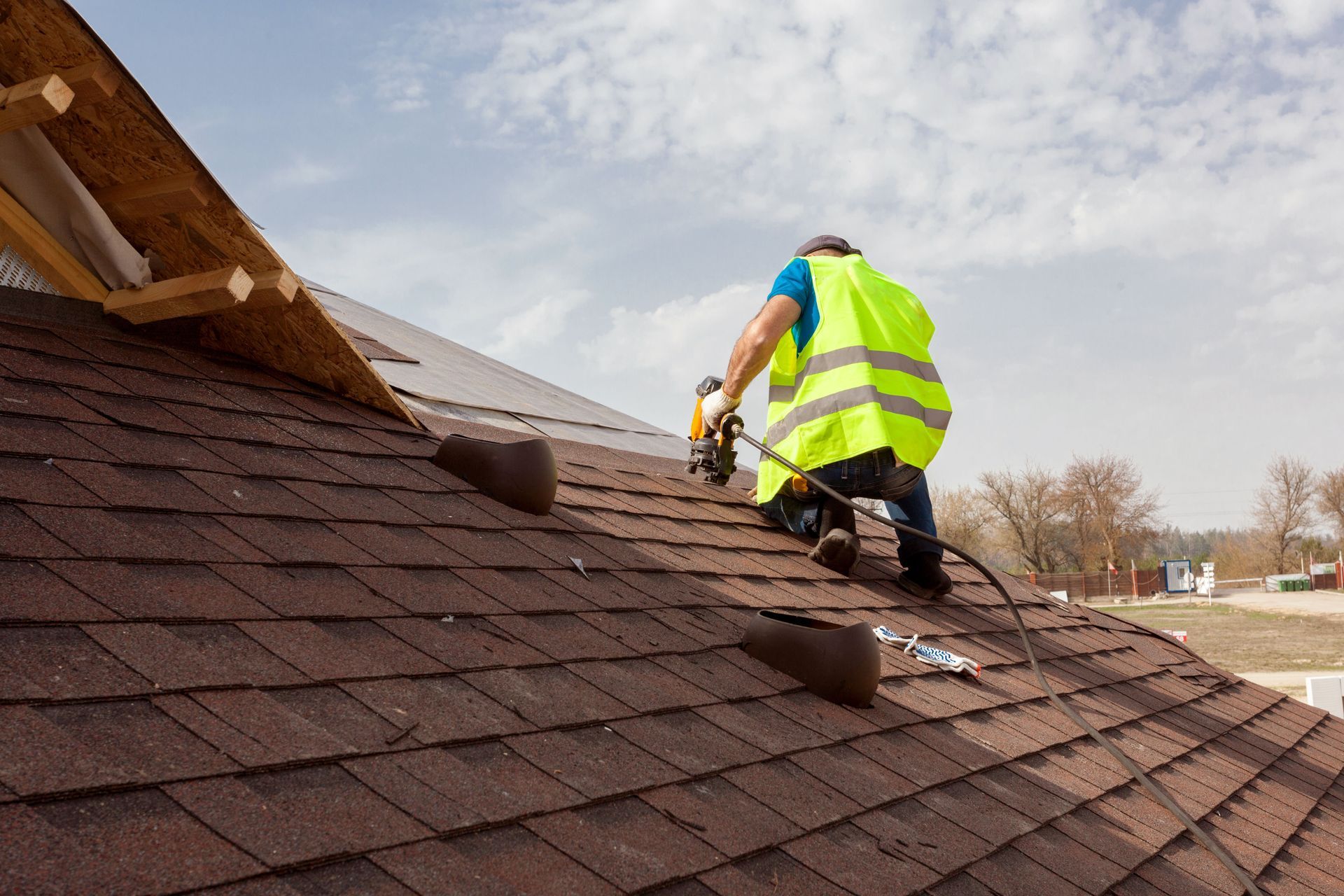
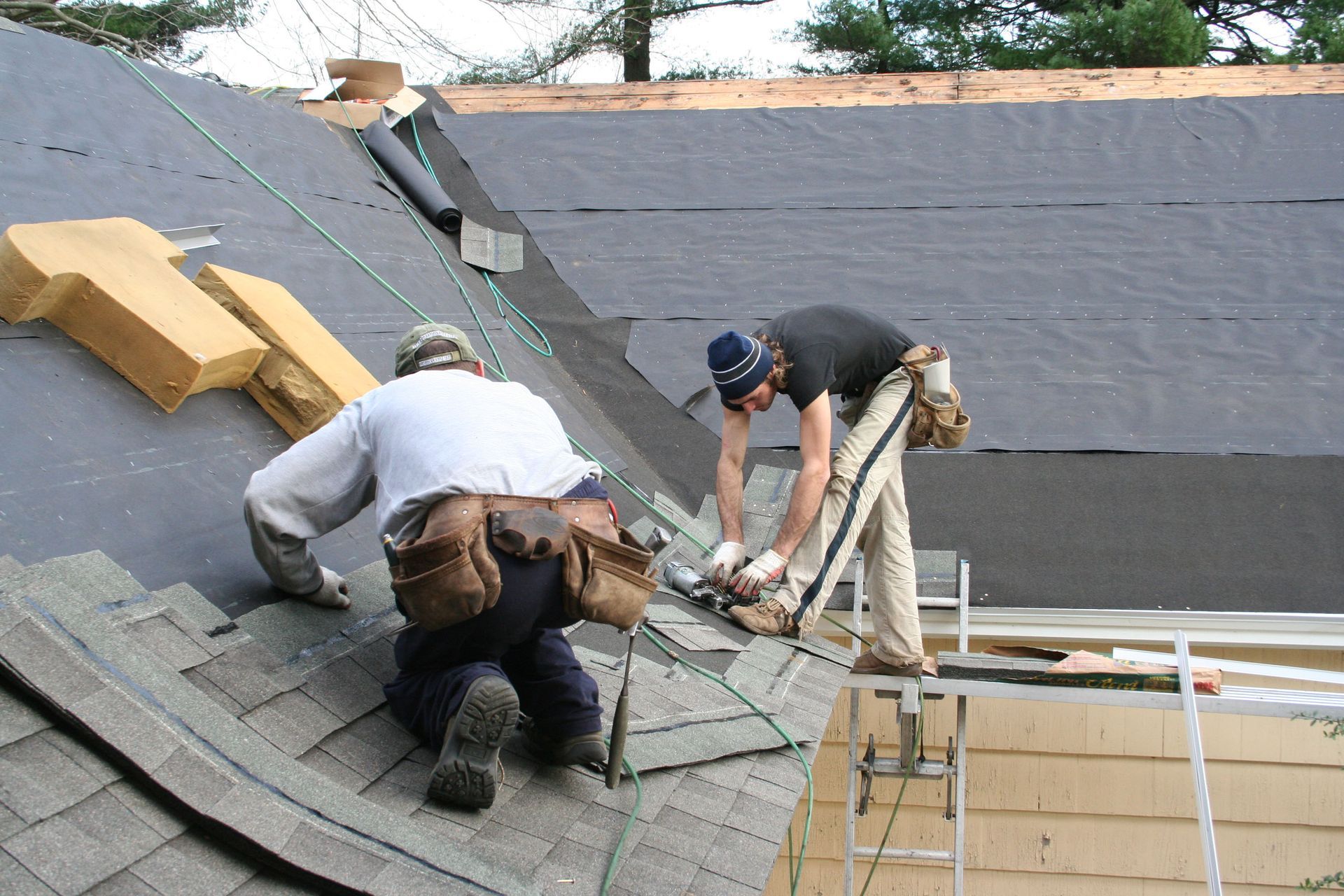
Even the best roofing material will fail if improperly installed. Working with experienced roofing contractors ensures correct installation techniques, proper ventilation, and compliance with local building codes. A professional can assess your home’s structure, recommend suitable materials, and provide accurate cost estimates. They can also explain warranty coverage for both materials and labor, giving you confidence in your investment.
By carefully evaluating your priorities and consulting with a qualified professional, you can select a roofing material that protects your home, enhances its beauty, and provides peace of mind for years to come. Serving the Western KY area, our team at Kenland Construction Inc provides quality roofing and construction services. Request a free quote from our roofing contractors today!